Floating data centers were proposed back when BlackBerry outsold the iPhone. Are they finally making a splash?
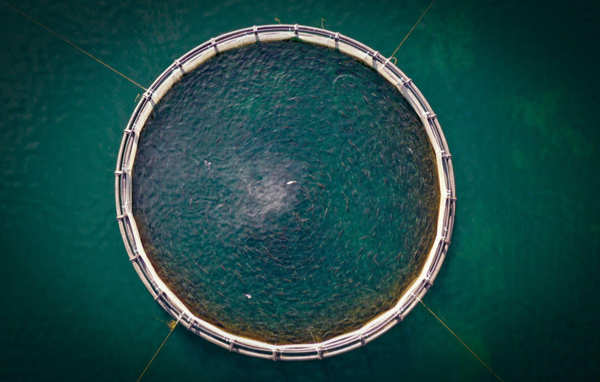
Data centers need lots of water, so it might seem reasonable to build one on a barge and set it afloat on a bay or gulf. That was Google's idea in 2007 when it filed US Patent Number 7,525,207 for a Water-Based Data Center. Officially, the plan has just been sitting there collecting dust for nearly two decades, and the idea never moved beyond the blueprint.
Fast-forward to 2013 in San Francisco, a time and place that offered visions of the future that are just now being realized today far outside the Bay Area. Select fans were invited to try a prototype for smartglasses long before we'd see Mark Zuckerberg hawk RayBans. The predecessor to Waymo, which now seems ubiquitous, was still testing driverless prototypes on the streets of San Francisco. A scrappy startup named DoorDash was one of many food delivery apps vying for market share in a City with an appetite for ordering in. And on the waters of San Francisco Bay, a mystery barge rumored to be an experimental floating data center was drawing suspicion and ire years before data centers were a touchy topic at city council meetings across America.
In October 2013, CNET magazine dropped a sensational claim: The mystery barge, owned by a shell company protected by Delaware’s corporate privacy laws, was really linked to Google, and reporter Daniel Terdiman claimed that the old Google patent for a water-based data center hadn't been forgotten after all, but was instead now very real and floating on the Bay.
Once Google's ownership of the barge could no longer be denied, Google changed course and claimed that the barge was merely an innocent "showroom," much like an Apple store. That's still the official story today. But the claim didn't hold water for some, because building a mostly windowless showroom on picturesque San Francisco Bay didn't quite add up. There were actually several mystery barges along the West Coast in 2013, forced to hop from port to port, while proposals to park one near Aquatic Park caused an uproar, and each barge was "shooed" away in an early case of data center NIMBYism.
Then just as mysteriously as the first "Google Barge" appeared, it disappeared like a ghost ship. A mere apparition, a rumor. The barges were hauled away and scrapped, and mostly forgotten.
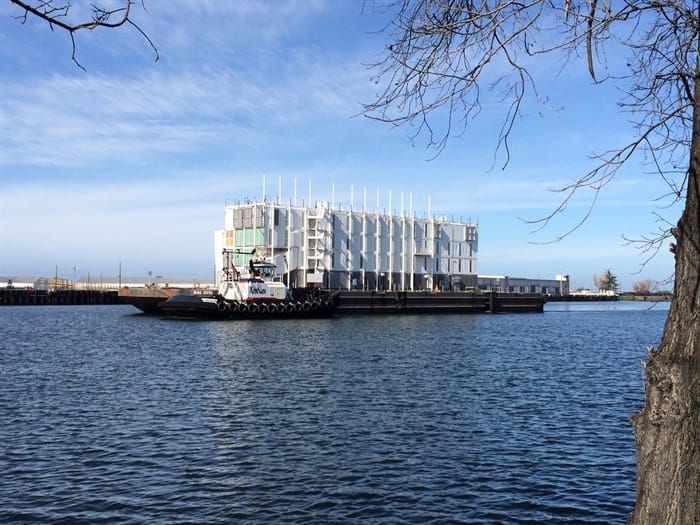
But what about Google’s patent from 2007? Assuming that the Google Barge was exactly what Google said it was – just a showroom – then are we ever going to see a prototype for the “water-based data center?”
New players are revitalizing the idea for the floating data center, and using modern technology to tackle the logistical restraints that seemed more challenging two decades ago.
Ocean waves will be the alternate energy source for one data center proposed by Panthalassa and backed by Peter Thiel. This system, already built in two prototypes with a third on the way, houses servers inside steel orb nodes and transfers data via satellite.
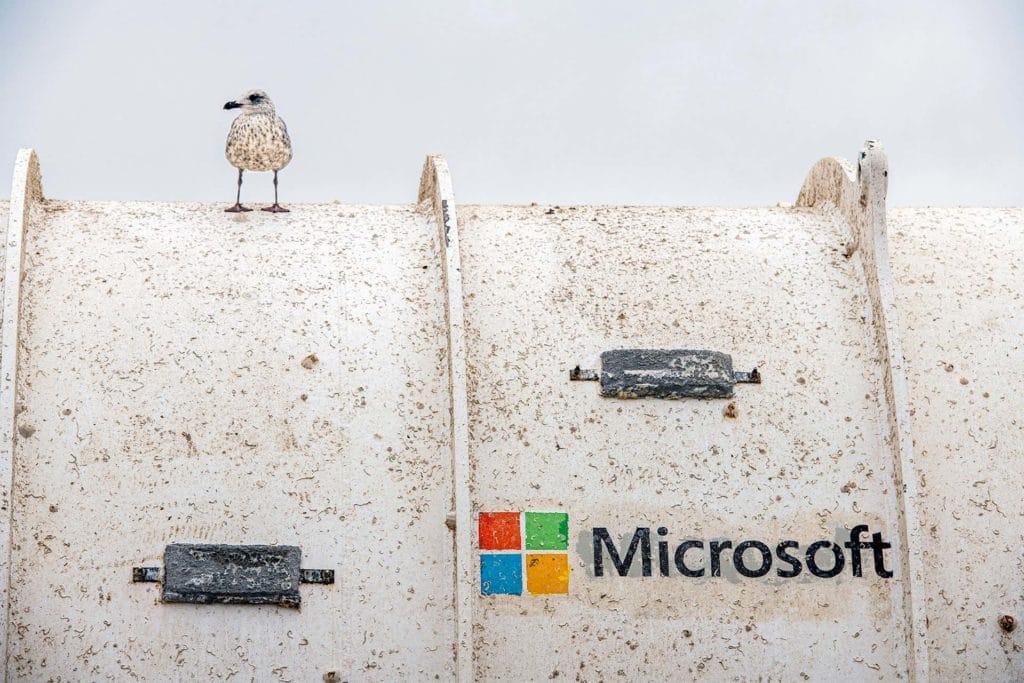
An underwater data center is underway now in Shanghai, led by China Communications Construction, while Microsoft has been experimenting with underwater data centers since at least 2020 (“Project Natick”).
100-megawatt floating data centers were proposed by Seatrium in July, which promises “natural seawater cooling, embedded power generation and flexible offshore siting.”
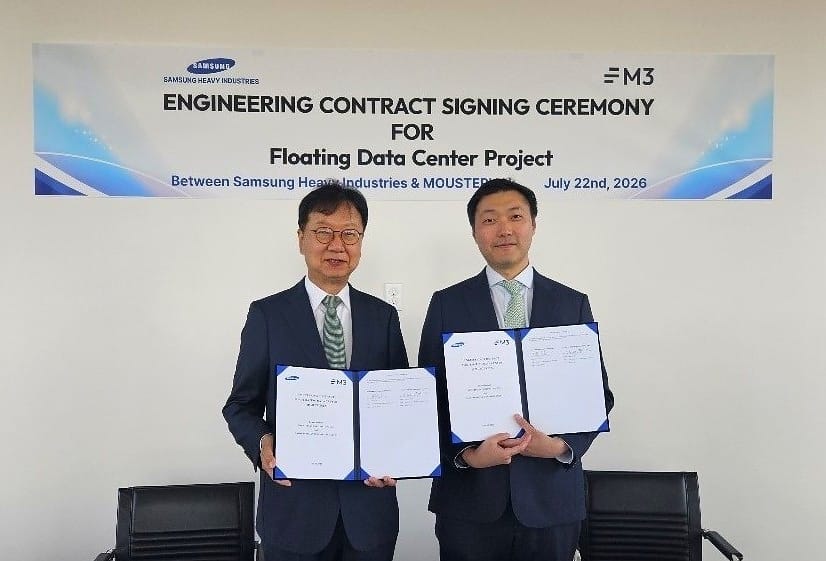
Samsung Heavy Industries already has a date on the calendar for the launch of its floating data centers, which it claims will be on the water by 2028. On August 3, Samsung and its partner Mousterian Corporation announced plans to build moored floating data centers each delivering 50 megawatts of IT capacity, planned for deployment in Texas and elsewhere in the US. "Floating data centers are a natural extension of the engineering, fabrication, and project delivery capabilities we have built over five decades in offshore and maritime construction," said Sung-an Choi of Samsung Heavy Industries in a statement.
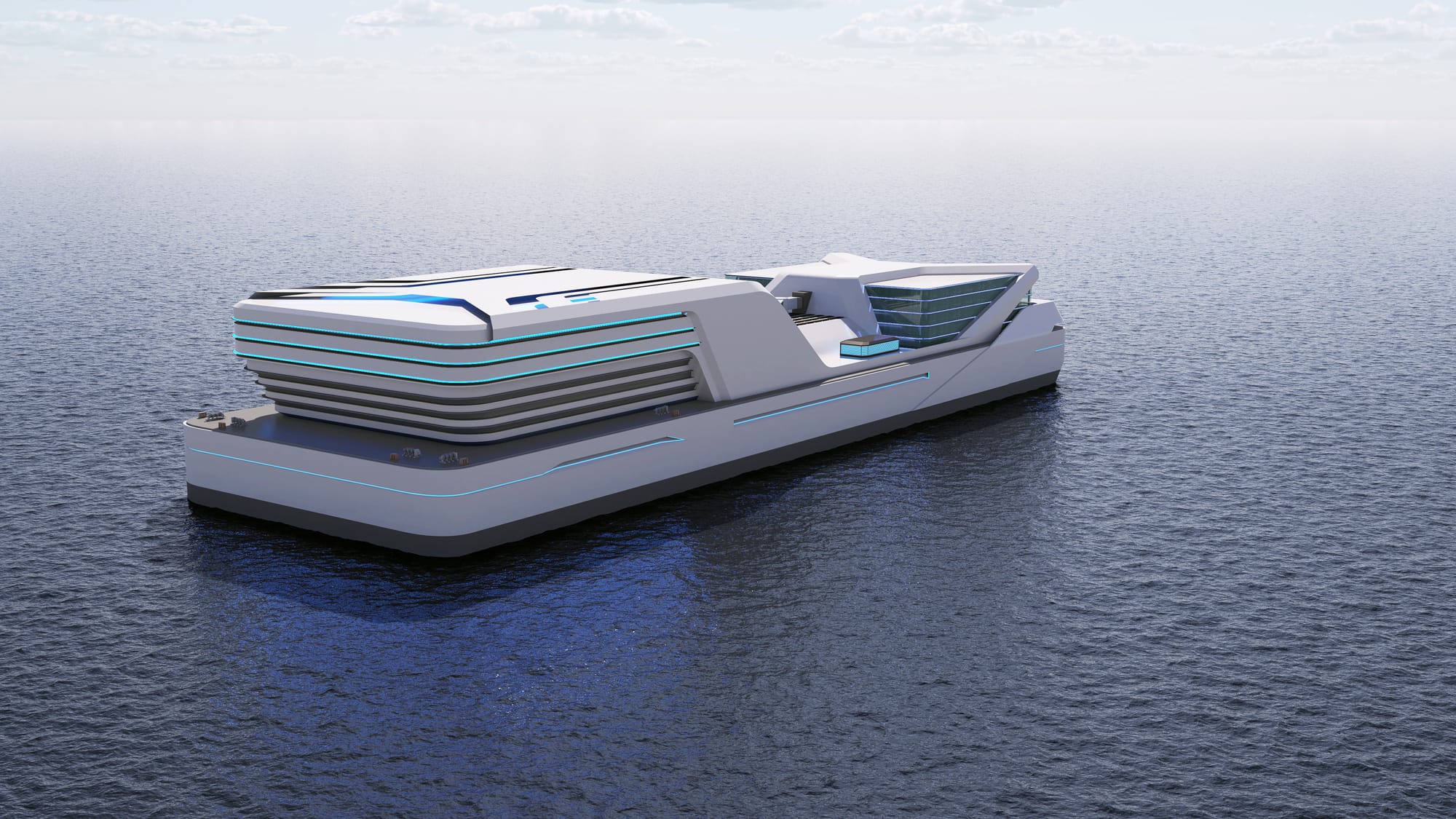
What was old becomes new again. And just like in 2013, when the mere thought of a floating data center on SF Bay faced pushback, in 2026, when data centers are even more controversial, at least one industry magazine cites their distance from the public as one benefit to moving a data center off land and onto the water.
Like stories like this? You know what to do. Subscribe to Sailicon Valley.
[Learn how to sponsor a post on Sailicon Valley].
(C) All Rights Reserved.