The future is waterfront startups (and maybe even cheap rent?). A look at the SF Port Blue Economy Initiative
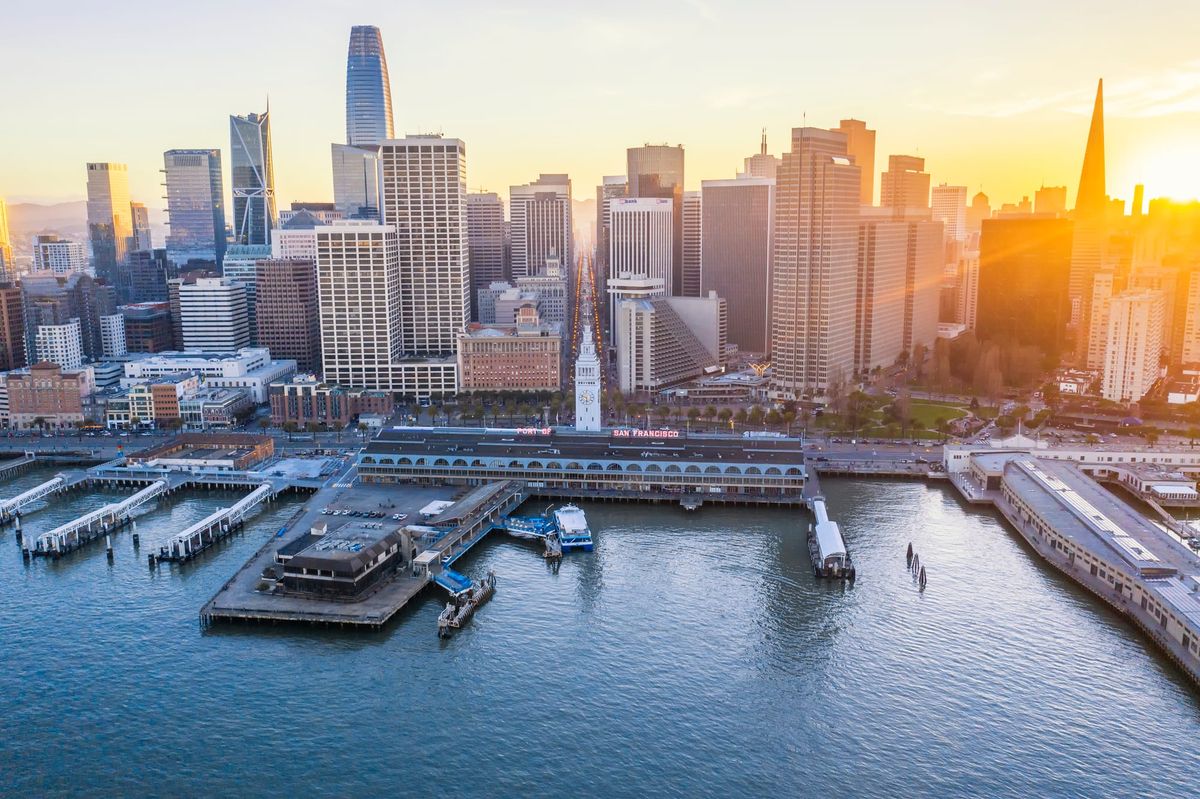
Video interview with SF Port's Kirsten Southey and Boris Delepine.
The Port of San Francisco’s newly launched Blue Economy Initiative offers a vision of a future economy that is bolstered by ocean tech startups, marine science, sustainability-focused innovators, and ecotourism. Announced on July 15, the Initiative offers matching companies a rare opportunity for space to grow, concierge services, regulatory coordination, technical guidance, and potentially even cheap rent. Since you can usually count on the cost of rent to only go up in San Francisco, heads will turn at these waterfront rents with potential discounts of up to 50%.
You can learn more and meet the SF Port staff in-person at an Open House on Wednesday, August 5, from 10:00 a.m. to 11:30 a.m. at Pier 1 on The Embarcadero (the event is free to attend but registration is required).
Other West Coast cities have launched their own versions of a blue economy initiative, each with its own niche. SF Port is hoping to stand out to blue tech startups because of San Francisco’s unique proximity to Silicon Valley.
“Our biggest strengths are our partnerships, and our people,” said Kirsten Southey, Project Manager with the SF Port’s Executive Division. “We're at the epicenter of tech, AI, and venture capital.”
“I think what distinguishes San Francisco is our proximity to venture capital, to AI, and to a deep water working port, a working waterfront,” added Boris Delepine, SF Port’s Government Affairs Manager. “One of our strengths is the amount of space we have in San Francisco.”
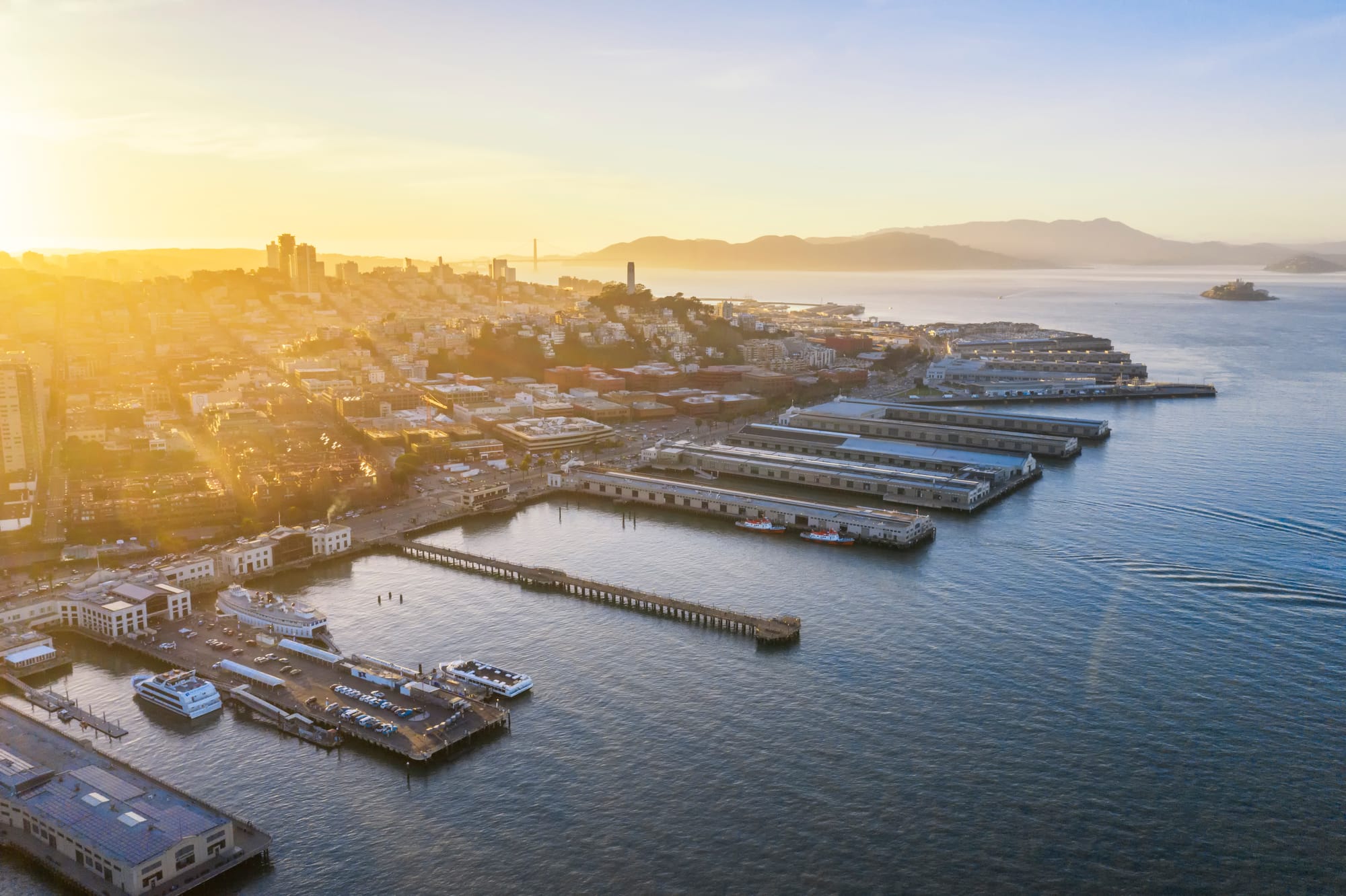
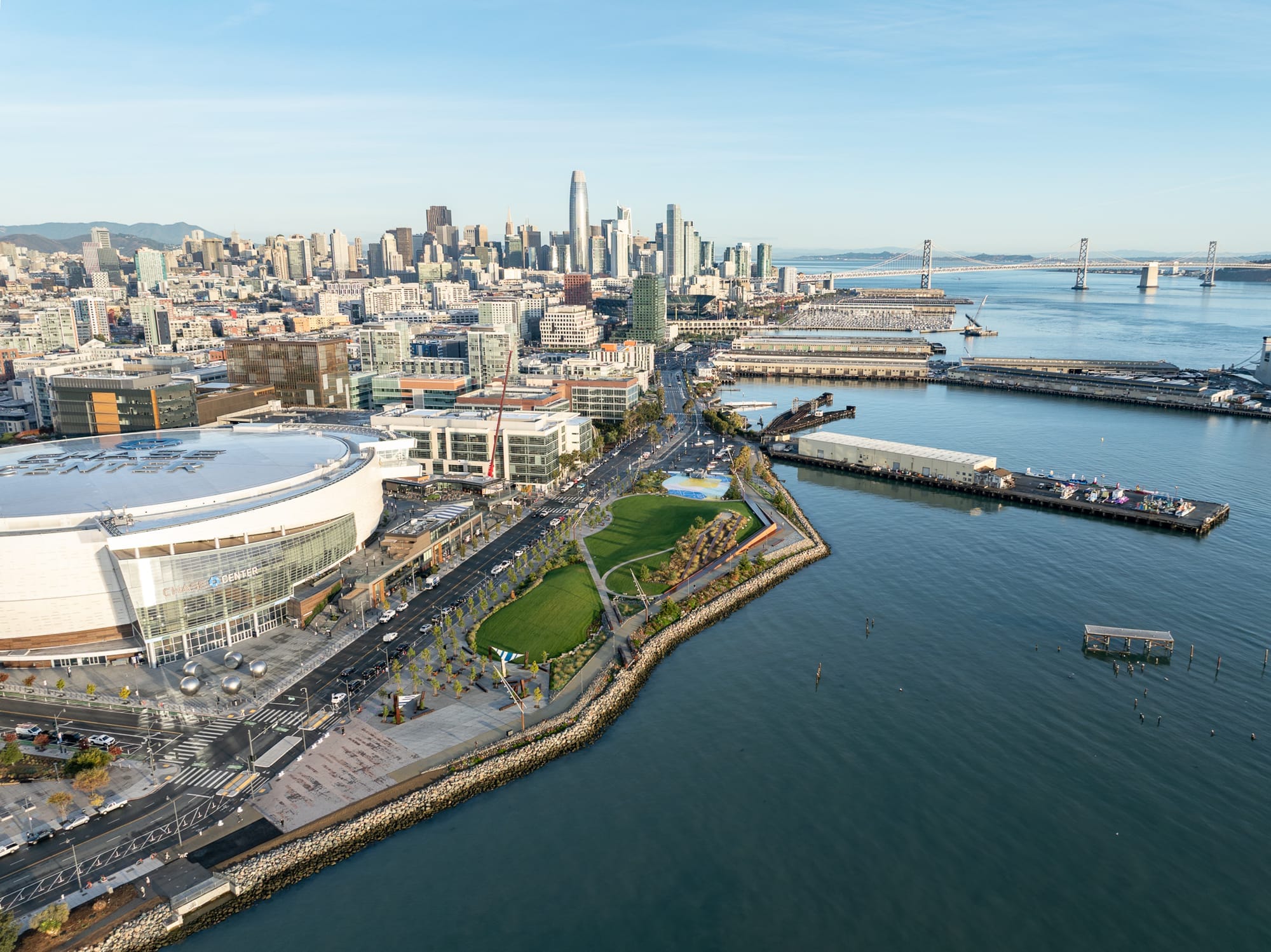
For a city that seems to have limited space, the SF waterfront still actually offers room to grow, with empty warehouses, offices, and piers waiting for the right tenant who doesn’t mind a little fog (a 2026 memo states that, “Vacancy at the Port’s directly managed office buildings currently exceeds 16%). In fact, SF Port manages 7.5 miles of shoreline and over 1,000 acres of prime land, from India Basin to Hyde Street Pier.
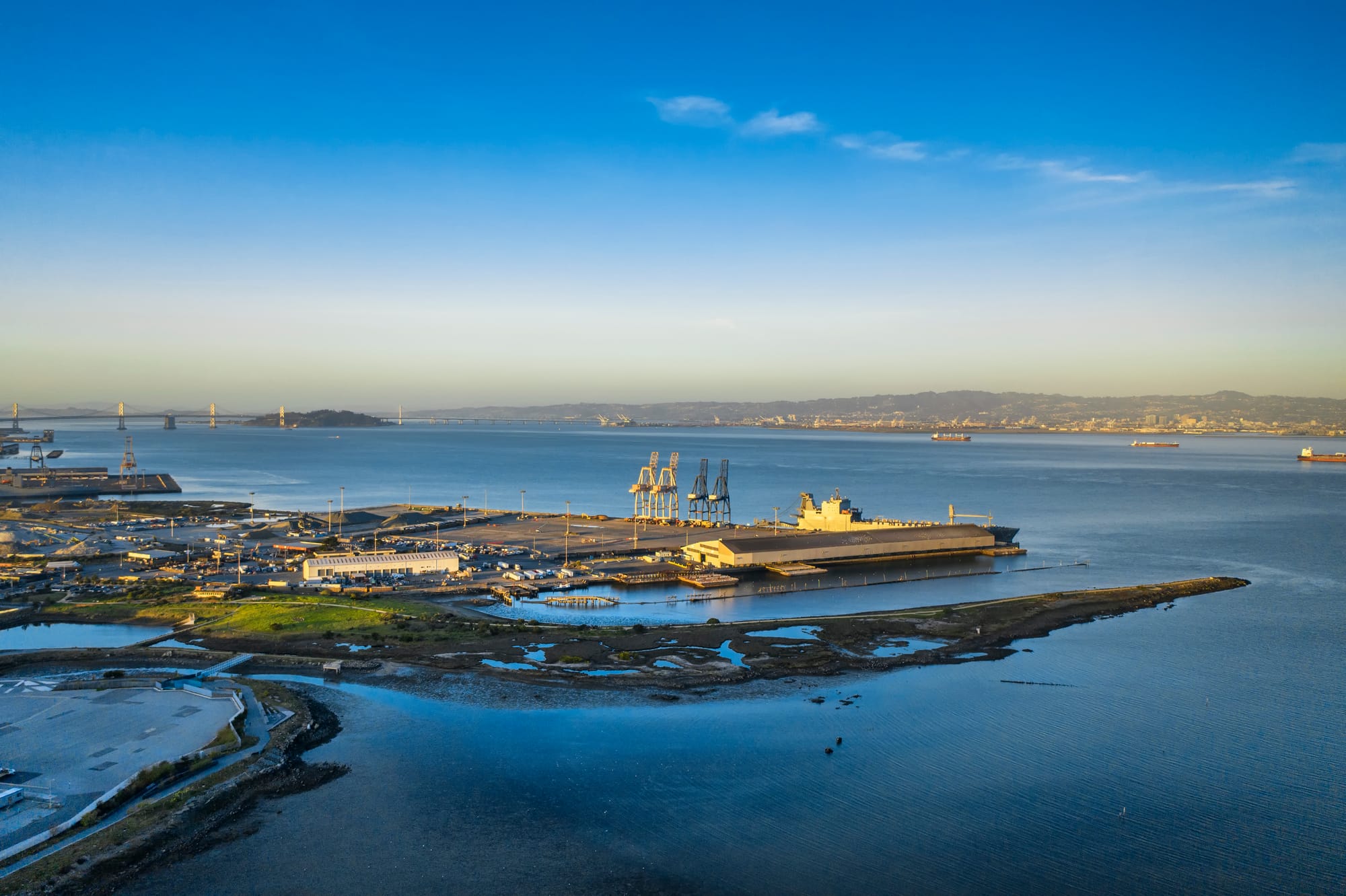
So who are the potential players in the “blue economy?” The San Francisco Bay Area already has some especially unique “water-based” startups and established companies. Reefgen uses robots to rebuild reefs. WhaleSpotter and the Benioff Ocean Science Laboratory operate AI-powered whale monitors on the SF Bay. BUOY.fish deploys GPS-tracked buoys to monitor and recover fishing gear (a potential blessing to anyone who’s ever had to dodge crab pots at night). And then there’s Saildrone and DOER submersibles across the Bay in Alameda.
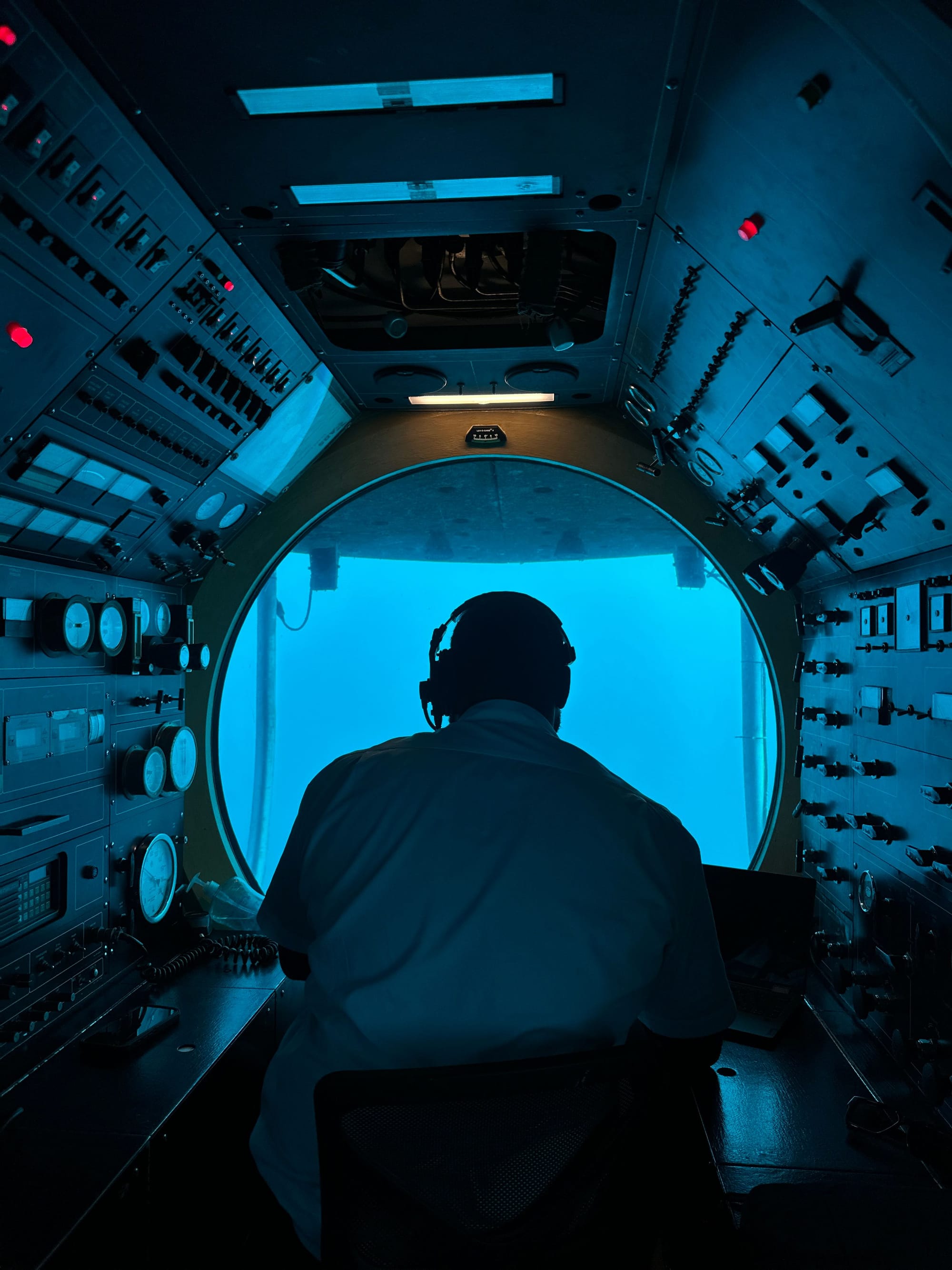
“Globally, the blue economy supports 5.4 million jobs and generates nearly $580.9 billion USD in gross value added annually,” according to an Aquaculture study (impact estimates for the blue economy are sometimes conflated with the larger ocean economy, which includes non-sustainable practices). Dozens of blue economy campaigns, startup accelerators, and nonprofits have financial support from the UN, World Economic Forum, and NOAA.
SF Port’s ability to “pivot” from its industrial past to a blue future may offer insights to other cities. After all, historically, the San Francisco Bay Area was solidly industrial, and even a military hub. There was shipbuilding at Mare Island, Hunter's Point, Pier 70, and Sausalito. Shipping wasn’t only in Oakland like we see today, but also in San Francisco. And there was a strong manufacturing presence in the City, from Folgers to Levis. The San Francisco Bay Area could have just as easily succumbed to the same “Rust Belt” effects experienced by the industrial cities of the Northeast, had it not been for the region’s “re-brand” and marketing of itself as a tech hub starting in the 1970s.
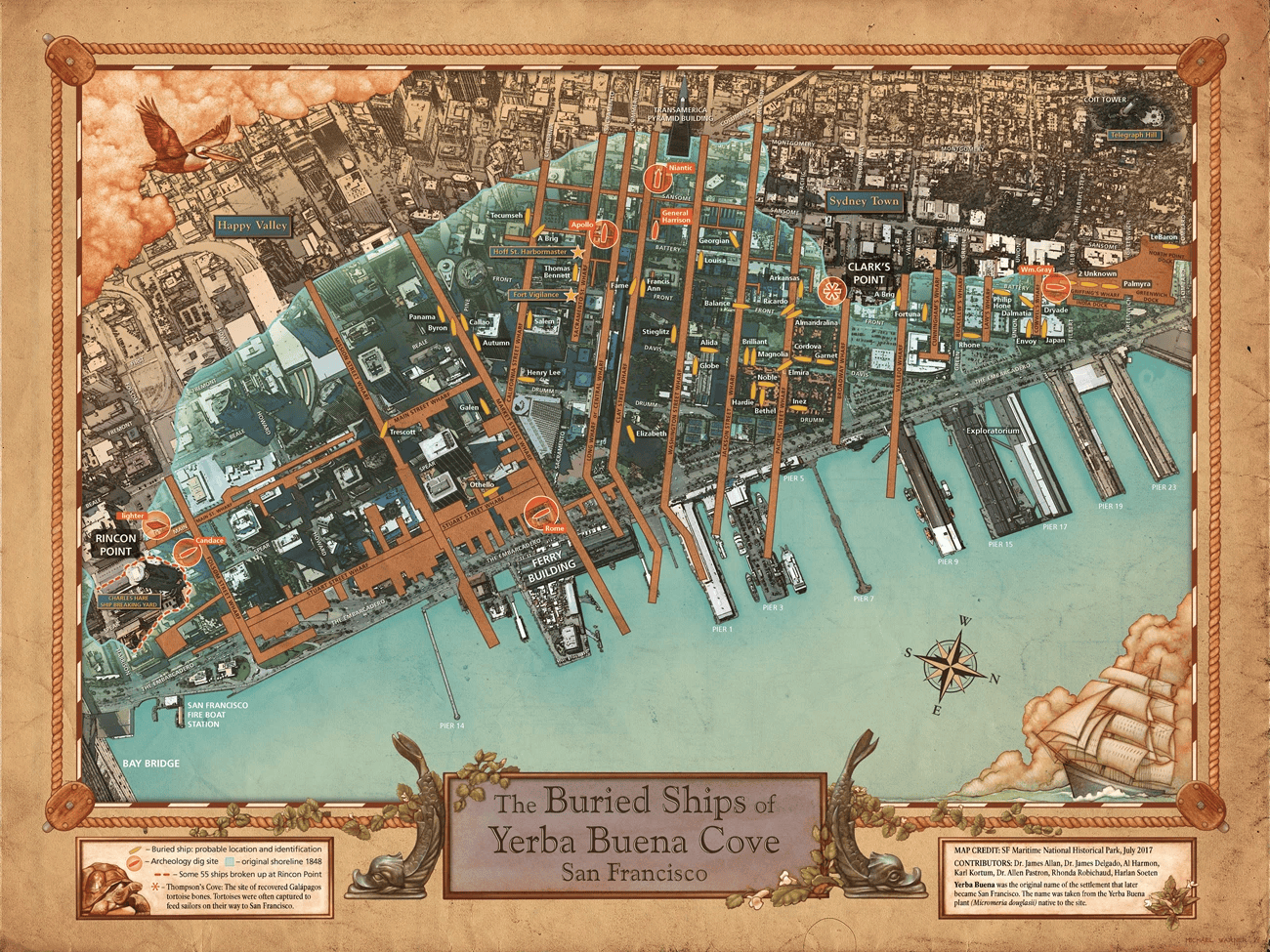
“This is the story of San Francisco. We are unique because we're able to adapt and take lessons away from these previous historical points – whether it's the tech booms of the 90s, the decline of the Port after containerization, or shipbuilding that went bust, or the Gold Rush,” added Boris Delepine. “San Francisco is a port city. Literally, the foundation of our city is built on the hulls of ships. And the transitions that this city has gone through are evident today along our waterfront.”
Check out the focus areas of the Blue Economy Initiative and view the application on the SF Port website:
https://www.sfport.com/blueeconomy
Like stories like this? You know what to do. Subscribe to Sailicon Valley.
[Learn how to sponsor a post on Sailicon Valley].
(C) All Rights Reserved.