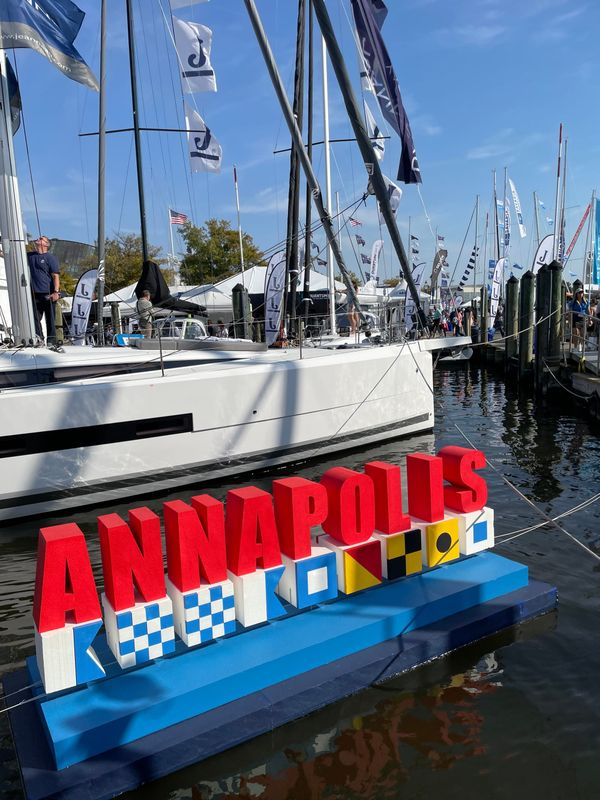
We asked Peter Verbica: What puts the wind in Silicon Valley's sails?

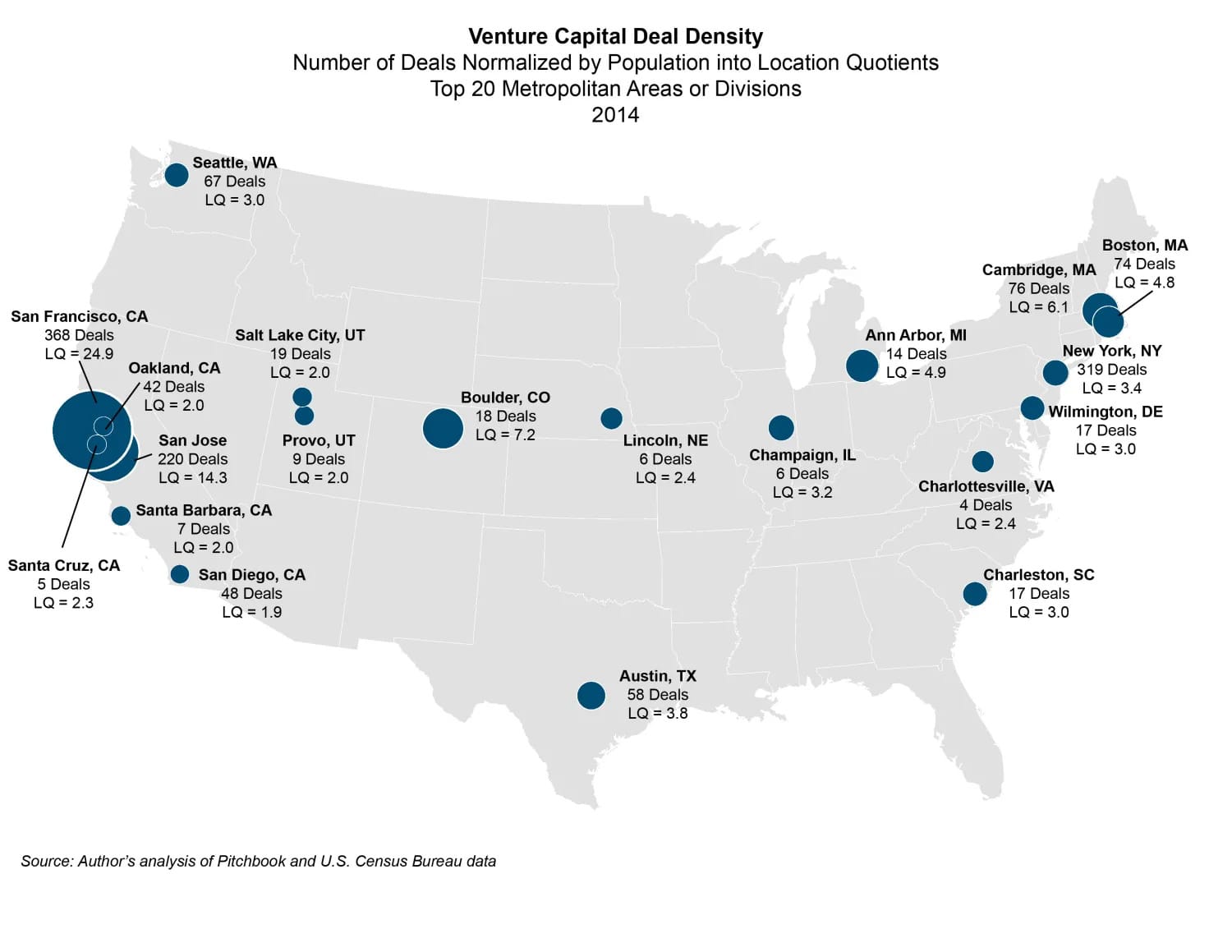
Silicon Valley has many copycats and pretenders in places around the world that want a shot at the title, claiming that their own special recipe of talent, capital, and pluck is poised to take the crown. And while we’d love to see opportunity spread evenly around the globe, the plain fact is that Silicon Valley is simply the dominant global epicenter for startups, unicorns, and venture capital. There’s just no comparison.
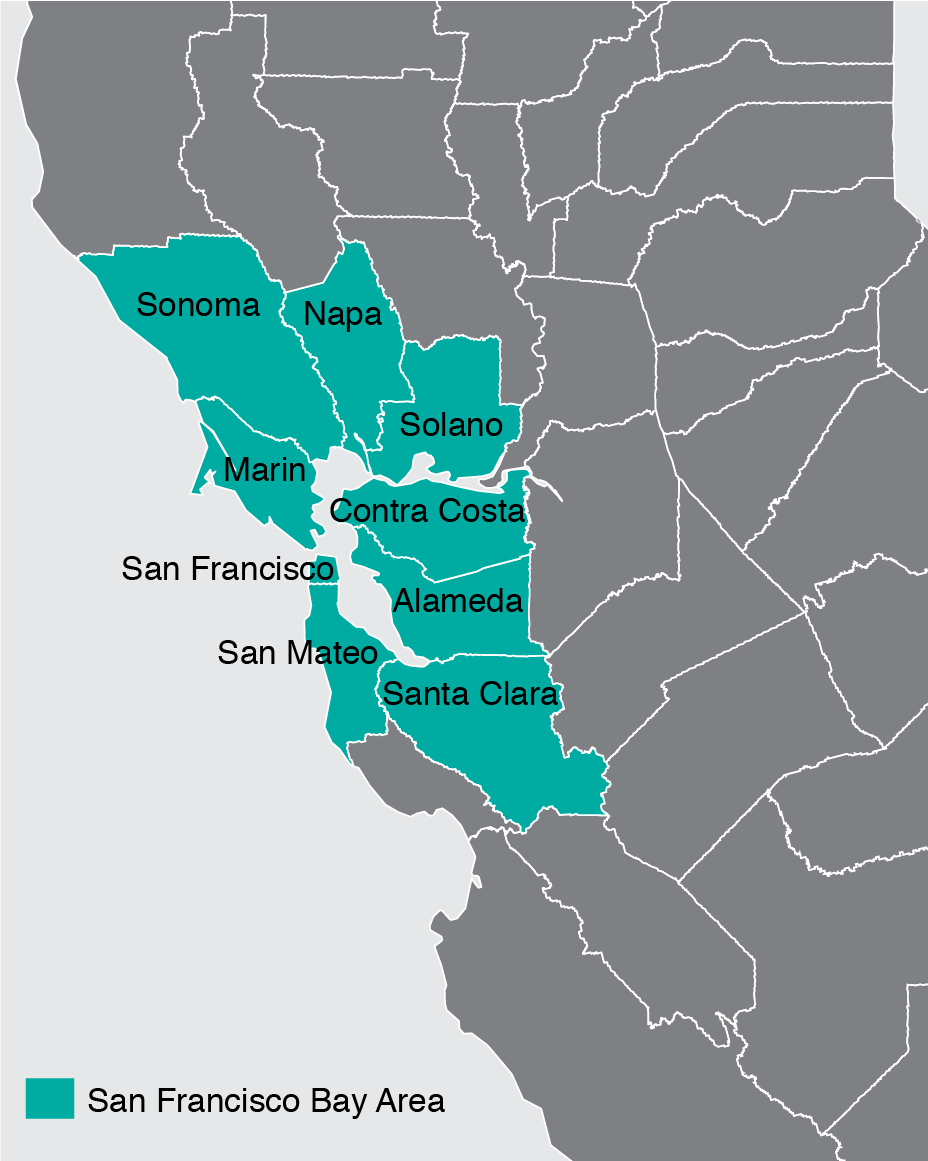
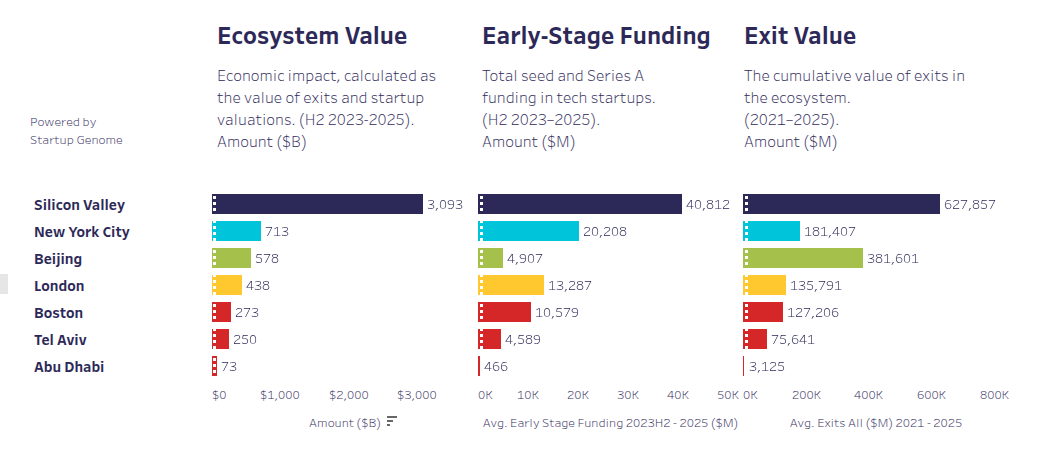
Consider this: In our “spiky world” of global talent and capital, Silicon Valley in particular and the SF Bay Area in general stick out like an especially “spiky” sore thumb. The nine counties of the Bay Area rank as the 17th largest economy in the world. 5 of the top 7 companies by market cap on the S&P 500 today are headquartered in Silicon Valley, with a combined value of nearly $18 trillion (yes, trillion). And that’s not counting those in nearby San Francisco which aren’t publicly listed (Anthropic and Open AI). A side-by-side comparison of how global “startup ecosystems” stack up to Silicon Valley in terms of value and funding leaves no room for doubt. Even London, the global center for finance with a head start of a millennium to accumulate capital, is still dwarfed by the level of dedicated VC funding and startup success percolating in Silicon Valley. And there’s an obvious reason why so many global universities vie for a satellite campus in San Francisco or Silicon Valley, because these schools all recognize the region’s success, and they want to be able to market themselves as a platform for such success. In so many words, Silicon Valley and the SF Bay Area are leading, while everyone else is playing catch-up.
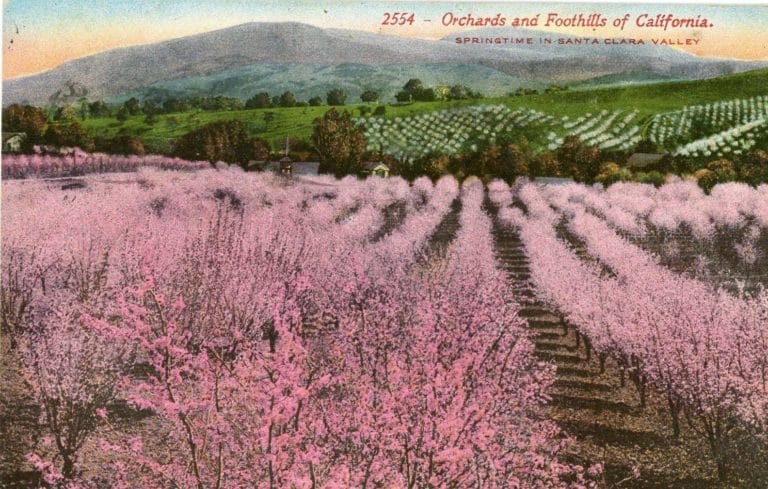
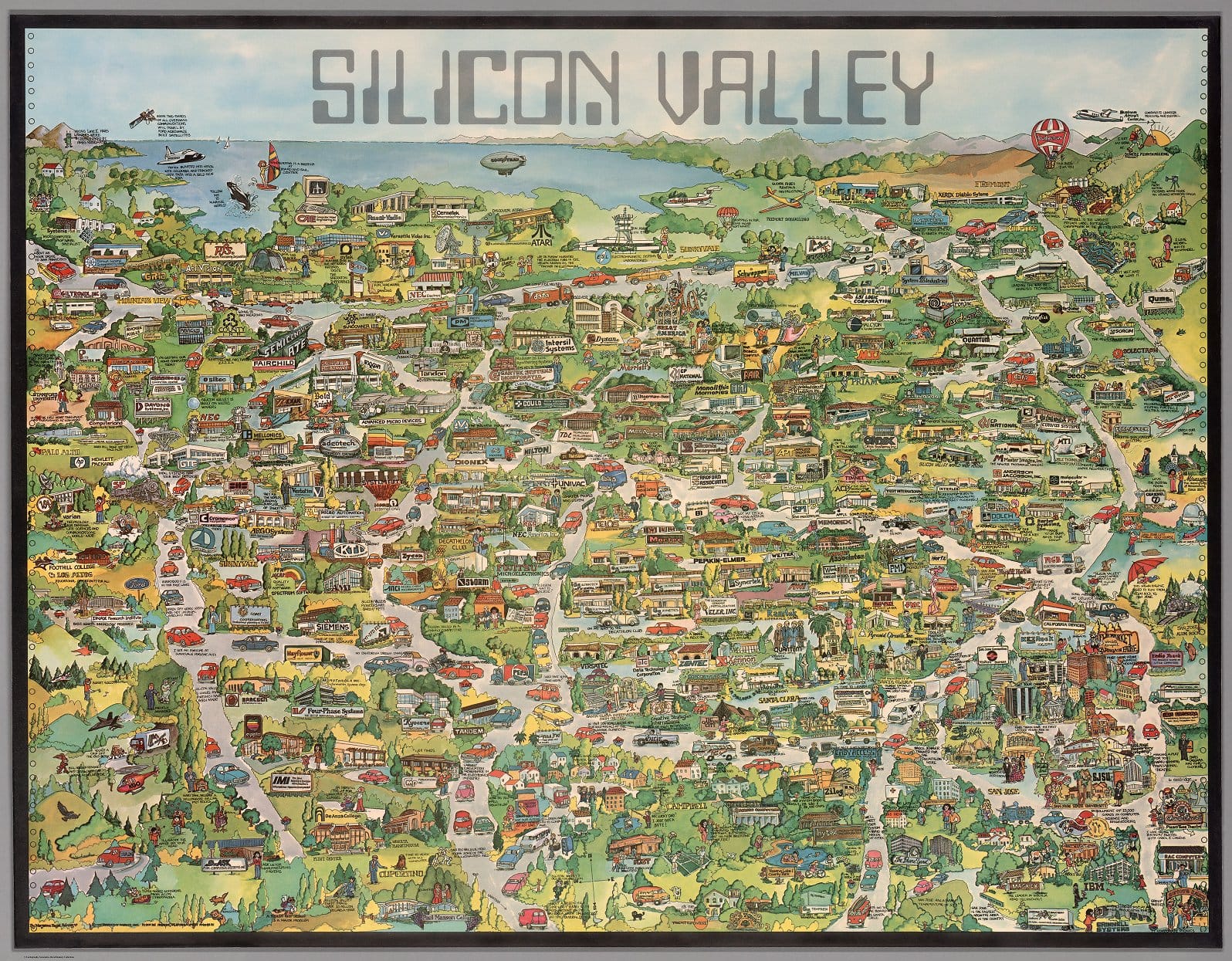
But Silicon Valley’s success was never a foregone conclusion. 60 years ago, the San Francisco Bay Area didn’t look so different from other American industrial clusters. The Bay Area had heavy industry, manufacturing, steelworks, shipbuilding, and several military bases. Changes are seen in land use too; a recent article about Santa Clara Valley notes that, "At midcentury, an estimated 109,000 acres were orchards; fewer than 4,000 acres remain." Before it was called Silicon Valley, this was an agricultural hub better known by its formal name, Santa Clara Valley, or to many, “the Valley of Heart's Delight," a place better known for apples than Apple.
With the onset of industrial decline and outsourcing in the late 20th century, the Bay Area was just as vulnerable to the shifting sands of the economy as any other place. But while cities in the Northeast and Midwest succumbed to the “Rust Belt” label – that pejorative that still stings today – something different was happening in the Bay Area. The rebranded “Silicon Valley” was able to weather the storm and succeed, the story goes, because the region shifted gears, retooled, and refocused on emerging industries. How exactly that happened is a question leaders in other regions have been asking for half a century, hoping to make some of that same Silicon Valley magic work in their own hometowns.
So to try to find out, “what puts the wind in Silicon Valley's sails,” we asked Peter Verbica. Here’s why we knew he’d be the right guy to ask. Peter Verbica works in Silicon Valley as a veteran startup investor and is a managing director at Silicon Private Wealth, he’s a candidate for Congress in California's 19th district (which includes parts of Silicon Valley), a contributing writer at Opportunity Now Silicon Valley, a sailor, speaker, and poet. This fifth-generation Californian is even related to the namesake for Henry Coe State Park, a former family ranch that became an 87,000-acre idyllic public preserve in the South Bay offering a rare glimpse at what Silicon Valley looked like before the silicon. Here’s what he had to share.

[SV] Why is Silicon Valley a nexus for innovation and capital? What makes the region a global competitor ?
[Verbica] Wildly successful entrepreneurs can be at times reticent to extend specific praise to anyone beyond themselves. But, in addition to hard work and hutzpah, there can be additional, important forces at play. To wit in Silicon Valley: an often-underemphasized contributor to our region’s initial momentum is the US government and its early underwriting of foundational technologies: i.e., the Internet, micro-processing, analog-to-digital transformation, and much more. Those able to commercialize and adapt applications have an opportunity to enjoy big wins.
Capital of course is another driver; larger, NYC underwriters had a historical lock on the major deals (i.e., utilities and Fortune 100 companies); so, innovative boutique investment banks, such as Robertson Stephens and Hambrecht & Quist solicited smaller VC business and went after riskier, revenue light/no revenue IPO prospects, inventing new metrics such as “stickiness” and “eyeballs” as proxies for dividends. Apple, Genentech, Adobe, Amazon, and many others, can tip their hats to the risk-tolerant financiers.
[SV] “Economic development” is a hot topic, and other regions try to emulate the success of Silicon Valley. What can other regions do to foster and support innovation?
[Verbica] One thing that’s been a happy coincidence for Silicon Valley is the transition from hardware-intensive industries to software-centric industries; some of this has followed the massive, multi-decade outsourcing of the US industrial base; and also: software and AI prove harder to tax for a revenue starved, high tax state such as California; Sacramento does get the windfall once equity stakeholders liquidate (its revenues often mimicking the IPO calendar), but the underlying businesses have been able to pursue high profit, difficult to tax business models which utilize code, intellectual property, cloud computing and remotely delivered services; legislators have gone after this Golden Goose: reportedly, the definition of taxable personal property will include certain digital products on Jan. 1, 2027, giving tech-centric businesses another incentive to escape the State.
[SV] Steve Case of AOL went on a nationwide bus tour in 2014 to promote “Rise of the Rest,” to invest in startups outside traditional tech hubs like Silicon Valley. What works or doesn’t work with such efforts? Because while Silicon Valley is not the be-all end-all for innovation, it remains the dominant global capital for startups. Why is that?
[Verbica] In contrast to Silicon Valley, the Washington–Northern Virginia–Maryland technology and defense corridor (commonly known as the National Capital Region) remains heavily dependent on systems integrators and federal spending. Other attempts to recreate Silicon Valley have struggled to replicate its unusual willingness to risk early-stage capital—and then quickly cut off oxygen to ventures that fail to demonstrate promise. The National Capital Region, by contrast, thrives largely on the legacy, relationships and annuity-like revenues associated with government contracting.
[SV] As a lifelong Californian, as someone who works in Silicon Valley, and as a political candidate, what do you think the region does right for the startup economy, and what can be changed or improved?
[Verbica] In California, well-intentioned, but horrifically misguided policies are incentivizing both successful entrepreneurs and companies to migrate to other lower tax, more business-friendly states.
Stanford continues to thrive, but for the first time, private grants may exceed federal funding due to the political environment.
Silicon Valley should take a closer look at the drivers which are contributing to our exodus of talent; California’s biggest export continues to be humans: it ranks number one. (A dubious honor in contrast to N. Carolina and S. Carolina which are welcoming new immigrants to their states. The income-to-housing ratio in the Bay Area continues to deteriorate despite Soviet-style housing projects with no setbacks.
Meanwhile, public employee unions’ contributions to state and municipal political candidates arguably lead to compromised bargaining and misaligned allegiances; many pension and OPEB packages in our state have resulted in untenable unfunded liabilities; rather than solve this crisis through fiscal prudence, many of these entities—including Oakland, Richmond, Sonoma County, and San Jose—have converted pension liabilities into bonded debt through pension obligation bonds, but the gum still sticks to their shoes until the debt is paid off. These are efforts to “kick the can down the road,” while our state and many of our municipalities continue to place tax increases and additional bond borrowing before voters.
Even FDR said this about public sector unions, “meticulous attention should be paid to the special relationships and obligations of public servants to the public itself and to the Government. ...All Government employees should realize that the process of collective bargaining, as usually understood, cannot be transplanted into the public service. ...militant tactics have no place in the functions of any organization of Government employees.”
[SV] As someone who seems to embrace both technology and art: How do we balance the development of personal skills and talent (poetry, art, writing) while also embracing new AI technologies that seemingly supplant human skill and talent?
[Verbica] Singapore looked at what made Silicon Valley unique and reportedly adapted its educational approach to place greater emphasis on the arts, extracurricular activities, and interdisciplinary learning as means of encouraging independent and creative thought. (Ironically, these are some of the very programs that wind up on the chopping block in California schools.) Some argue that we are now paying the price for abandoning much of the traditional Western Civilization curriculum at the high school and collegiate levels. Meritocracy, civic responsibility, critical thinking, individual liberty, and innovation are among the valuable inheritances of this historical tradition; abandoning its study risks weakening the values that built the modern Western world –leaving a vacuum that older, more authoritarian or theocratic systems of thought (medieval at their worst) may be all too willing to fill.

Like stories like this? You know what to do. Subscribe to Sailicon Valley.
[Learn how to sponsor a post on Sailicon Valley].
(C) All Rights Reserved.