Your ship has come in
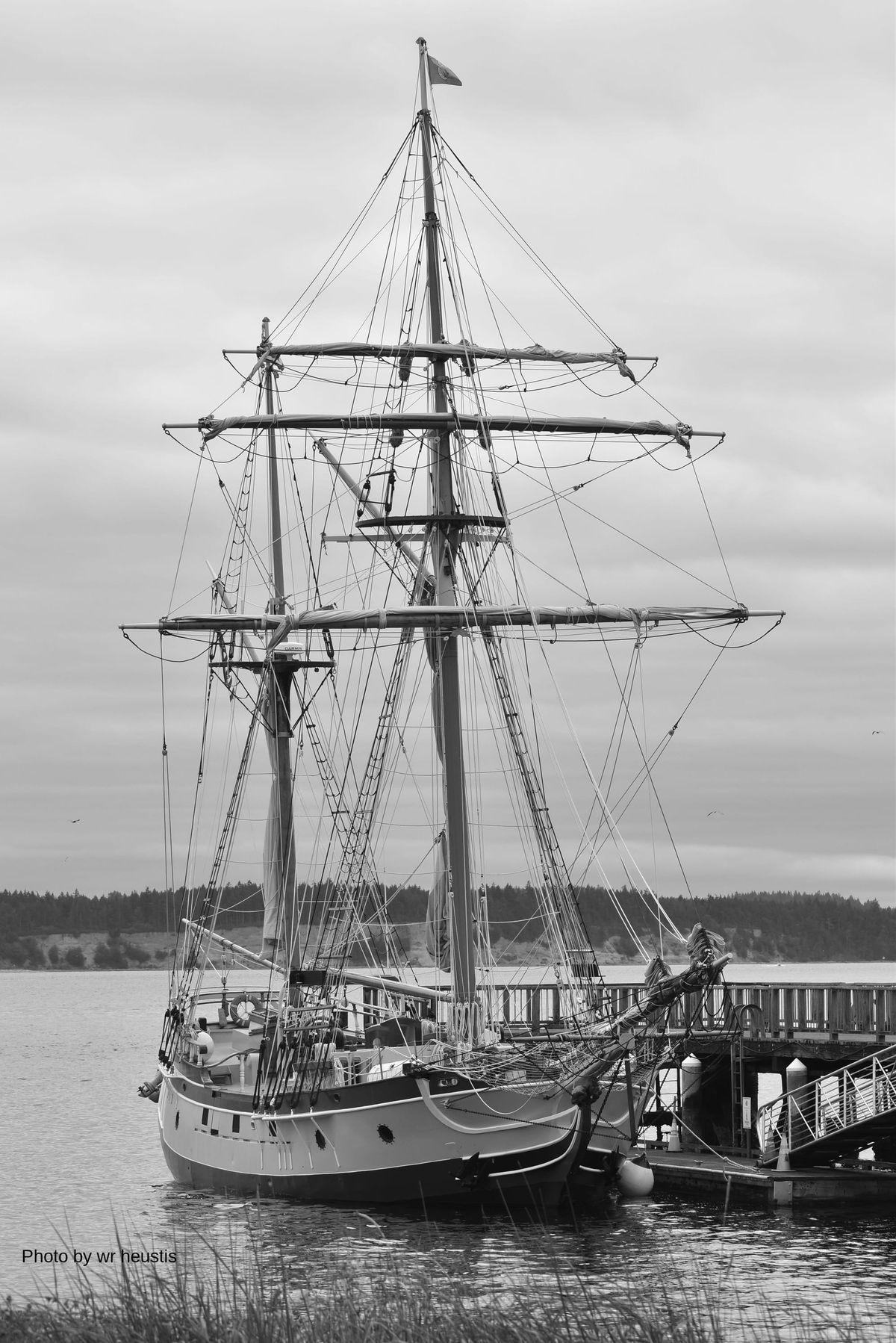
The phrase, “your ship has come in,” is used to refer to becoming successful or wealthy, and as you probably guessed, it used to have a literal meaning, when one’s ship came in to port, bringing with it goods to be sold and profits and riches to be made. A boat owner or merchant might have all their wealth tied to a single vessel, and so it was a cause for celebration when their boat successfully crossed an ocean and made it safely to port.
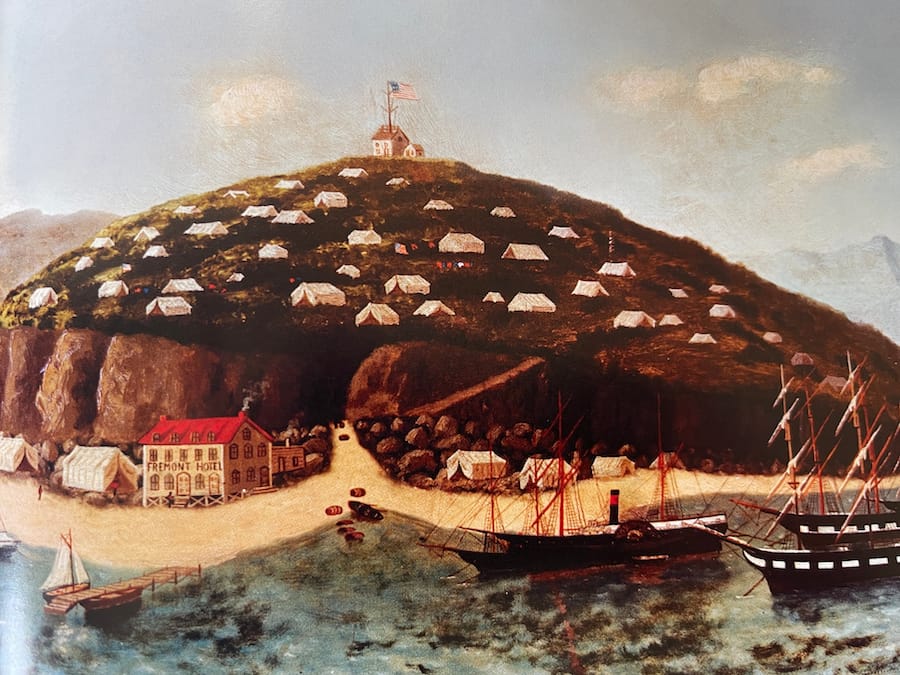
In San Francisco, long before Silicon Valley had silicon, before the A.I. Boom and Dot-Com Boom, there was the Gold Rush. Hundreds of tall ships arrived in the Bay starting in 1849, bringing people and goods from around the world that would change the landscape of California forever. The ship traffic broke new records with each passing year, and as news of California’s riches spread, ship traffic only increased.
A network of signal towers or “semafors” was used to announce the news that a “ship had come in.” The most famous of these sat atop Loma Alta, which commanded some of the most majestic views of the Bay. The hill became so well known for its signal tower announcing when ships came in – or telegraphing – that it was renamed to the same name it’s known as today – Telegraph Hill.
Perhaps you could say the modern equivalent of the semafor or telegraph announcing that someone’s ship has come in might be the Bloomberg Terminal or any smartphone flashing stock quotes or crypto prices. And as coincidence would have it, San Francisco’s Telegraph Hill has a clean view of the Financial District and offices of some of the nation’s highest valued companies, like Open AI, Saleforce, Stripe, VISA, and Anthropic. Maybe some things don’t change.
Like stories like this? You know what to do. Subscribe to Sailicon Valley.
[Learn how to sponsor a post on Sailicon Valley].
(C) All Rights Reserved.